

Yoga Teacher Training
Curriculum
Rooted in tradition, guided by science, and embodied through practice, this training shapes conscious teachers.
Our Curriculum
This comprehensive Yoga Teacher Training weaves together philosophy, meditation, anatomy, Sanskrit, and embodied practices to offer a grounded and holistic understanding of yoga as both a discipline and a way of life.
Students explore sacred texts, subtle energy systems, breath control, movement traditions, and modern sciences like physiology and Āyurveda, which helps cultivate a stable personal practice alongside safe, skillful teaching methods.
The curriculum also supports yoga as a sustainable livelihood, integrating ethics, self-inquiry, and practical business tools to prepare teachers on and off the mat.
-
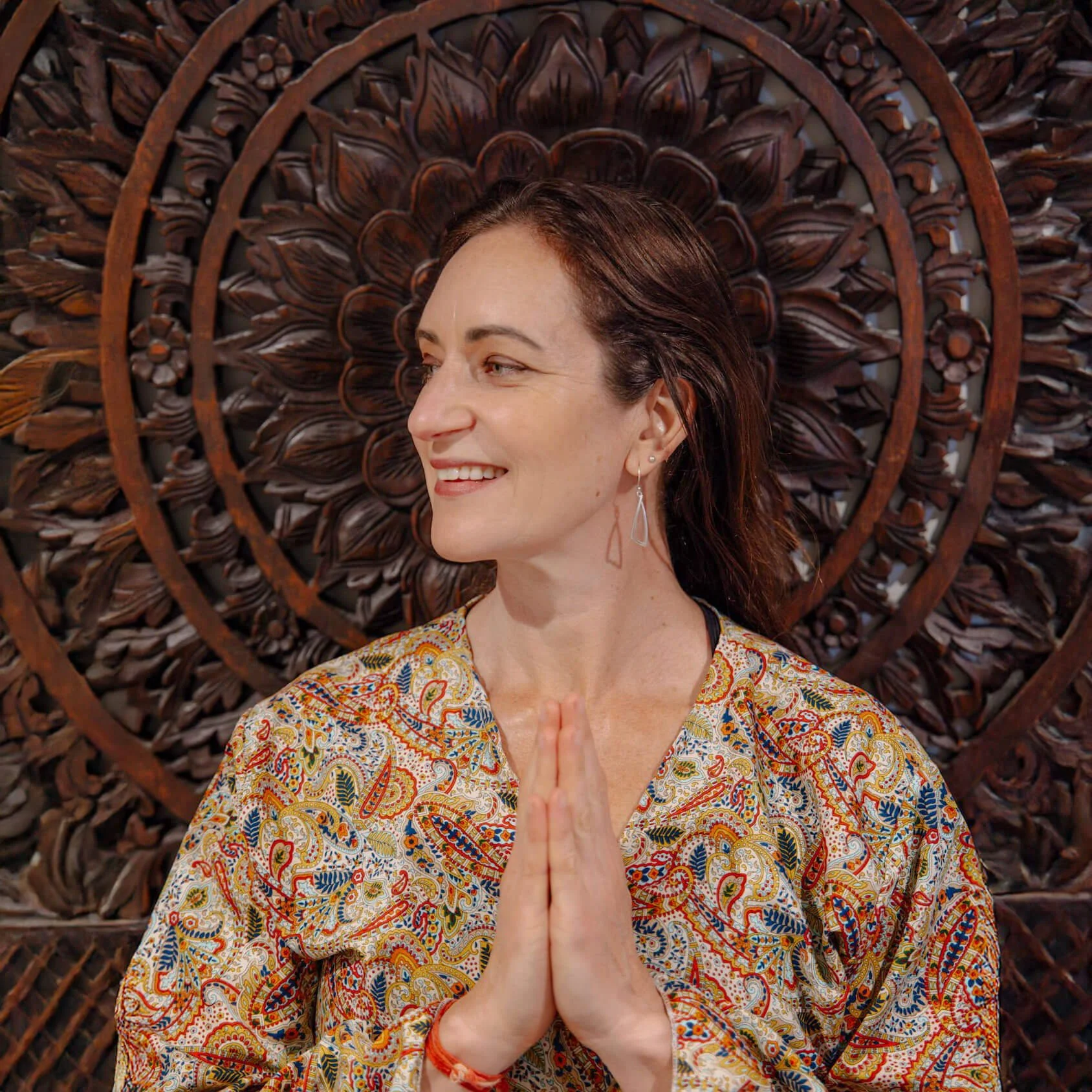
Philosophy:
Learn an overview of the Yoga Sūtras of Patañjali, explores the mythology of Śakti and the cakras, traces the historical origins of yoga, and highlights the key influencers who shaped its philosophical and spiritual development.
-

Meditation:
Study Vedic chanting of māntras and ślokas for mental clarity, Japa meditations, Yoga Nidrā, visualization and other techniques.
-

Anatomy:
We study Applied Anatomy and Biomechanics, Controlled Articular Rotations (CARs), Spine, Connective Tissue, Nerves, Muscles, Fascia, and Skeletal System. We learn how to use our bodies to mitigate injury.
-

Prāṇāyāma:
Learn all about vital breath techniques, respiratory & nervous system regulation from the use of bandhas and body tension, dhyāna and māntras.
-

Āsana:
Alignment and Mechanics, Hands-on Assisting, Postures in Sanskrit, Progressions and Regressions, Verbal and Visual Teaching Cues
-
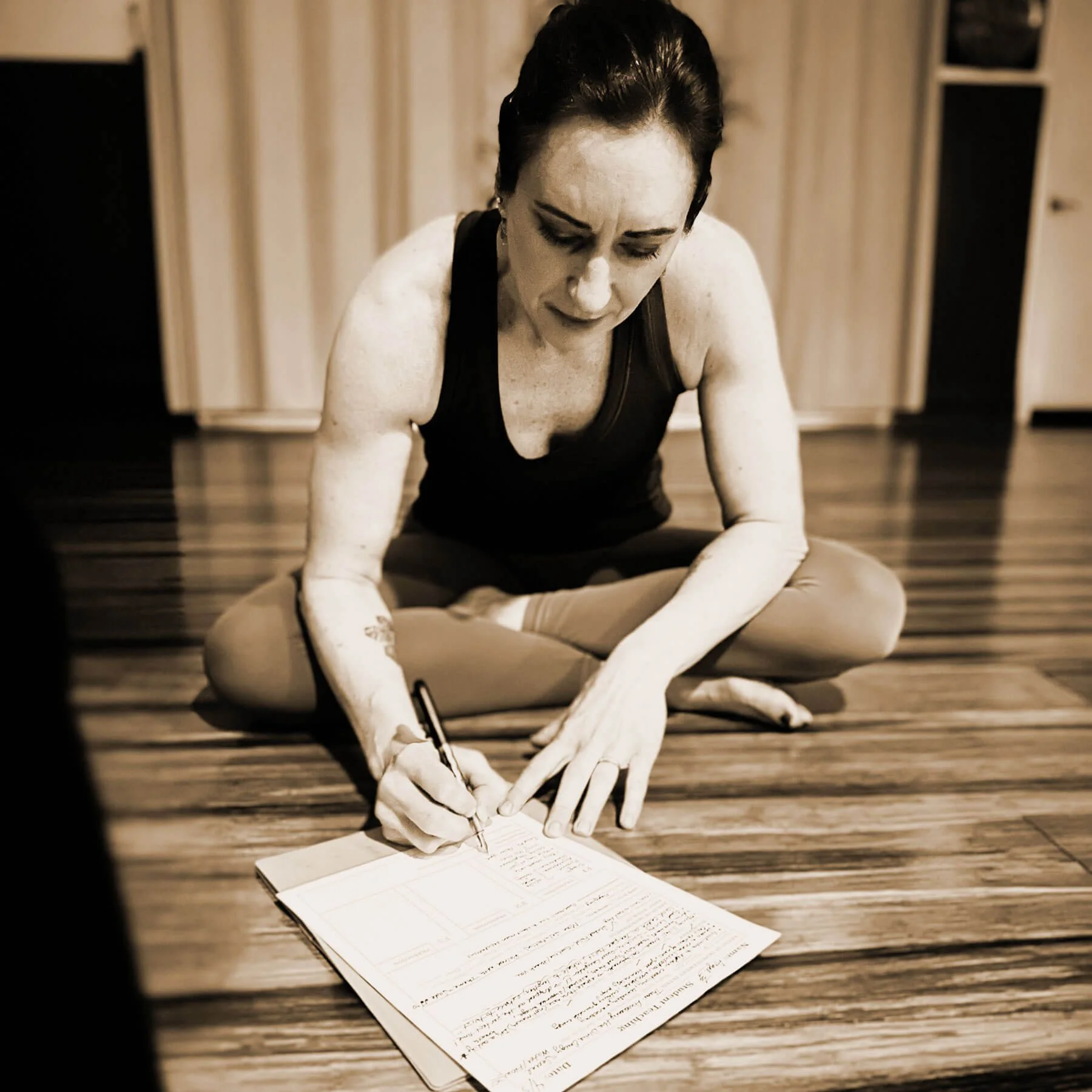
Yoga as a livelihood
Understand the Business of Yoga: insurance, marketing, diversity, employment considerations, credentials, and software apps.
Philosophy
Yoga Philosophy
Introduction to understanding the links between yoga postures, mythology, rituals, and energy forces specific to spiritual life lessons and daily self-improvement. (Guest Speaker: Dr. Raj Balkaran, Indian Wisdom School - Toronto)
Origins of Yoga
Learn about the Yoga Sūtras of Patañjali, yoga limbs, history of Mother India, influencers, sacred rituals, texts, terminology, and lineages still active today
Understand the connections between Hinduism, Buddhism, Jainism, and more specific to yoga ethics and common philosophy
Stable Sādhanā
Develop a stable sādhanā: daily practice inclusive of your rituals/routines to develop, sustain, and nourish your physical, mental and social well-being
Subtle Energetic Bodies
Understand cakras, nadis, vayus, koshas, yoga nidrā, and more
Advanced Program: Śāstra
Explore Sacred Texts (Śāstra): such as Bhagavad Gīta, Yoga Sūtras of Patañjali, Haṭha Yoga Pradipika, Upaniṣads, and other texts.
Meditation
Vedic Chanting
Introduction to Vedic Chanting (māntras and ślokas): understand the guidelines of chanting, learn basic Sanskrit pronunciation, and the impact it has on your brain, memory, emotional body, and how māntras enhance your cognitive functions and concentration skills
Yoga Nidrā
Yoga Nidrā, or "yogic sleep," is a guided meditation technique inducing a state between waking and sleeping for deep relaxation, reducing stress, and calming the nervous system
Japa Meditations
Japa meditation is a spiritual practice that uses the rhythmic repetition of a mantra (a sacred sound, word, or phrase) to focus the mind, calm the nervous system, and cultivate concentration and spiritual awareness
Anatomy & Āyurveda
Applied Anatomy
Introduction to applied anatomy with specific awareness of how the body flows, flexes, rotates, along with supporting safe, informed, and sustainable movement specific to:
Functional movements and adaptability
Biomechanics
Time under tension (TUT)
Controlled articular rotation (CARs)
Hands-on assisting & mitigating injury
Bone, body, and organ systems
Advanced Program: deeper dive to above items with skills and drills
Āyurveda
Introduction to Āyurveda, known as the science of life (or sister science of yoga) focuses on how we fuel our bodies with proper nutrition, eating with alignment of the seasons, understand the “clock” of proper fueling for energetic balancing, social relationships, and practical hygiene methods for cleansing and detoxification. (Guest Speaker: Shannon Sabol from Grateful Life Health)
Physiology
Introduction to Physiology: understanding nervous system regulation, stress responses, hormone balancing, the role vitamins and nutrition plays on our stress management, HPAxis, sleep hygiene, and overall well being and happiness. (Guest Speaker: Gretchen Spetz, Registered Dietitian)
Prāṇāyāma
Prāṇāyāma
Learn the six primary breath control techniques for vitality, general principles and contradictions, activation, and nervous system regulation
Bandhas
Bandhas (Sanskrit for "lock" or "bind") are yogic techniques involve a blend of energetic and muscular contractions to seal and direct vital energy (prāṇā) within the body, stimulating cakras, toning organs, and enhancing your physical and energetic well-being
Dhyāna
Cultivate inner calm and self-awareness by focusing on objects such as the breath, internal images, mantras, concepts, or deities, allowing the practitioner to move beyond thought into direct experience
Advanced:
Deeper dive into advanced prāṇāyāma and yoga nidrā
Āsana
Yoga Styles & Training
In-depth study of various yoga styles: Haṭha, Ashtanga Vinyasa (Half Primary), Jivamukti, Yin, and Iyengar specific to sun salutations, moon salutation, standing, balance, seated postures, twists, inversions, backbends, and relaxation based postures
Advanced Program: Ashtanga Vinyasa (Primary Series) & Jivamukti Yoga: learn the Magic 10 sequence, āsana sequencing, basic chanting invocations, and meditation components
Teaching Skills
Learn how to teach all-levels from beginner to intermediate by understanding and feeling unique progressions and advanced drills
Learn how to offer hands-on assists with proper intent and safety combined with direct, clear verbal cues, and biomechanics for mitigating injury and offering connection
Yoga as a Livelihood
Business of Yoga
Understand the Business of Yoga: insurance, marketing, taxes, diversity, employment considerations, non-profit vs for-profit pathways, credentials, software apps, and more.
Yogic Ethics & Life of Non-violence:
Yogic Ethics: build healthy habits and revisit our conditional programming of values “on and off the mat”, with daily self-reflection, advancing your personal study, behavioral audits, and other unique feedback systems that are blend of Japanese and Indic traditions.